Hochzeitsblumen nach Saison: Welche Blumen blühen wann?
Es gibt diesen einen Moment in der Hochzeitsplanung, an dem du vor einem Bildschirm voller Inspiration sitzt – Pinterest-Boards, Magazinseiten, Instagram-Saves – und plötzlich merkst: Die Pfingstrosen, die du dir vorstellst, blühen gar nicht mehr, wenn du im September heiratest. Oder die Dahlien, die du so liebst, sind im Mai noch Wochen von ihrer ersten Blüte entfernt. Hochzeitsblumen und Jahreszeit gehören untrennbar zusammen, und genau dieses Wissen macht den Unterschied zwischen einem Brautstrauß, der dich den ganzen Tag begleitet, und einem, der mittags bereits müde wirkt.
In diesem Saisonkalender zeige ich dir, welche Hochzeitsblumen zu welcher Jahreszeit wirklich Saison haben – mit allem Insider-Wissen aus über 15 Jahren Floristik in Berlin und auf Mallorca. Du erfährst, welche typischen Hochzeitsblumen in welchem Monat ihre schönste Blüte erreichen, welche Blumen für deine Hochzeit auch bei Hitze durchhalten und warum saisonale Blumen in Duft, Textur und Haltbarkeit unvergleichlich sind. Egal ob du im Frühling, Sommer, Herbst oder Winter heiratest – hier findest du die Antwort auf die Frage: Welche Blumen passen zu meiner Hochzeit?
Warum saisonale Hochzeitsblumen wählen?
Saisonale Blumen für die Hochzeit zu wählen, ist keine Einschränkung – es ist die vielleicht klügste Entscheidung, die du in der gesamten Floristik-Planung treffen kannst.
Frische, die man sieht und riecht. Saisonale Hochzeitsblumen kommen ohne lange Kühlketten und Interkontinentalflüge aus. Sie werden geerntet, wenn sie in voller Blüte stehen – und genau das sieht und riecht man. Eine Mai-Pfingstrose aus regionalem Anbau verströmt einen süßlich-pudrigen Duft, den keine importierte Pfingstrose im November je erreichen wird.
Haltbarkeit, die den ganzen Tag trägt. Frisch geerntete Blüten haben keinen kumulativen Stress hinter sich – keinen Kälteschock im Flugzeug, keinen stundenlangen Weitertransport, kein mehrfaches Umpacken. Das Ergebnis: Sie halten länger, ihre Blütenblätter bleiben fester, und die Farben strahlen intensiver.
Nachhaltigkeit mit Substanz. Wer saisonal wählt, reduziert den CO2-Fußabdruck seiner Hochzeitsfloristik erheblich. Kürzere Transportwege, weniger Kühlung, weniger Verpackung. Für Paare, denen die ökologische Dimension ihrer Feier wichtig ist, sind saisonale Blumen eine stimmige Entscheidung.
Stimmigkeit, die man fühlt. Pfingstrosen im Mai fühlen sich richtig an. Dahlien im Oktober erzählen eine herbstliche Geschichte. Amaryllis im Januar hat etwas Feierliches, Stilles. Diese natürliche Stimmigkeit lässt sich nicht künstlich erzeugen – sie entsteht, wenn Natur und Anlass zusammenfinden.
Ein offener Hinweis: Manche Blumen wie Rosen, Hortensien oder Schleierkraut sind ganzjährig verfügbar. Sie sind wunderbare, zuverlässige Begleiterinnen in jedem Arrangement. Doch die wahre Magie entsteht, wenn du sie mit echten Saisonblüten kombinierst.
Frühling (März, April, Mai) – Die erste Blüte des Jahres
Wenn der März die ersten Ranunkeln hervorbringt und der Mai nach Pfingstrosen duftet, beginnt die vielleicht blütenreichste Jahreszeit für Hochzeiten. Der Frühling trägt eine besondere Leichtigkeit in sich – alles erwacht, die Farben sind zart, die Luft ist frisch, und die Natur bietet eine Fülle, die nach dem langen Winter fast überschwänglich wirkt.
Die Blüten des Frühlings – Was gerade Saison hat
| Blume | Beste Zeit | Farben | Besonderheit |
|---|---|---|---|
| Pfingstrose | Mai–Mitte Juni | Rosa, Creme, Weiß, Lachs | Intensiver Duft, volle Kugelform |
| Ranunkel | März–Mai | Rot, Rosa, Weiß, Orange, Lila | Seidig-zartes Blatt, extrem fotogen |
| Tulpe | März–April | Alle Farben | Klassisch, kurze Blütezeit |
| Flieder | April–Mai | Weiß, Lila, Rosa | Betörender Duft, kurze Vasenhaltbarkeit |
| Narzisse | März–April | Gelb, Weiß | Frischer Frühlings-Akzent |
| Iris | April–Mai | Lila, Blau, Weiß, Gelb | Dramatisch und ausdrucksstark |
| Anemone | März–Mai | Weiß, Lila, Rosa, Rot | Zarter Seidenschimmer, dunkles Zentrum |
| Maiglöckchen | Mai | Weiß | Intensiver Duft, filigran und zart |
Die Pfingstrose – Königin des Frühlings. Eine Mai-Pfingstrose in den Händen zu halten, ist wie ein kurzer Atemzug Luxus. Ihr Duft ist süßlich und pudrig zugleich, fast wie ein unsichtbares Parfum, das den ganzen Raum durchzieht. Die Blütenblätter schichten sich weich übereinander – hunderte hauchzarte Schichten, fast wie Seide, die sich von der geschlossenen Knospe bis zur vollen, opulenten Kugel entfalten. In zartem Rosa, warmem Creme oder reinem Weiß ist die Pfingstrose seit Jahrzehnten die meistgewünschte Blume für den Brautstrauß – und das aus gutem Grund. Wer mehr über aktuelle Brautstrauß Trends 2026 erfahren möchte, findet dort weitere Inspiration. Wichtig zu wissen: Die Saison der Pfingstrose endet um Mitte Juni. Wer später heiratet, braucht Alternativen oder muss auf importierte Ware zurückgreifen – die allerdings an Duft und Intensität nicht heranreicht.
Die Ranunkel ist die Tuschezeichnung unter den Blüten – hundert hauchzarte Schichten, nie aufdringlich, immer elegant. Von tiefem Burgundy bis blassem Apricot ist die Farbpalette erstaunlich breit. Ihre Blütenblätter haben einen seidigen Glanz, der auf Fotos besonders zur Geltung kommt. Ideal für romantische Vintagelooks und zarte Frühlings-Arrangements.
Flieder – ein Insider-Tipp mit Einschränkung: Flieder duftet wunderschön, beinahe berauschend süß und blumig, hält aber in der Vase nur drei bis fünf Tage. Floristin-Tipp: Stiele kräftig anschneiden, alle Blätter entfernen und in kühlem Wasser lagern. Als Tischdeko für Hochzeitsblumen, frisch arrangiert am Vorabend der Feier, entfaltet Flieder seine volle Pracht.
Frühlings-Farbkonzepte
Im Frühling entstehen die zartesten Farbpaletten des Jahres:
- Rosa Traumhochzeit – Pfingstrosen in blassem Rosa, Ranunkeln in warmem Apricot, aufgelockert mit Schleierkraut. Eine Palette, die nach Leichtigkeit und Romantik schmeckt. Hochzeitsblumen in Rosa sind im Frühling in ihrer natürlichsten, zartesten Nuance verfügbar.
- Romantisches Weiß – Weiße Anemonen mit ihrem seidigen Schimmer, weiße Tulpen, filigranes Maiglöckchen und silbrig-grüner Eukalyptus. Zeitlos, rein, elegant.
- Lila Eleganz – Iris in tiefem Violett, Flieder in duftendem Lila, lila Ranunkeln und trockener Lavendel als Akzent. Hochzeitsblumen in Lila wirken im Frühling besonders edel und ausdrucksstark.
Sommer (Juni, Juli, August) – Füllhorn aus Farbe und Duft
Der Sommer ist Hochsaison – in jeder Hinsicht. Hochzeitsblumen wie Rosen, Dahlien, Hortensien und Lavendel blühen gleichzeitig, die Farbpalette kennt keine Grenzen, und die Herausforderung ist nicht die Verfügbarkeit, sondern die Hitze. Wer zwischen Juni und August heiratet, steht vor einem Füllhorn an Möglichkeiten – und der Aufgabe, die richtigen Blumen für die Temperatur des Tages zu wählen.
Die Blüten des Sommers – Was gerade Saison hat
| Blume | Beste Zeit | Farben | Besonderheit |
|---|---|---|---|
| Rose | Ganzjährig (Hochsaison Jun–Aug) | Alle Farben | Klassikerin, unschlagbare Duft-Vielfalt |
| Hortensie | Juni–September | Weiß, Rosa, Blau, Lila, Grün | Voluminöse Köpfe, ideal als Füllelement |
| Dahlie | Juli–Oktober | Bordeaux, Orange, Gelb, Rosa, Weiß | Dramatisch, strukturiert, lang haltbar |
| Lavendel | Juni–August | Lila, Blau | Mediterraner Duft, ideal für Mallorca-Hochzeiten |
| Cosmea | Juli–September | Rosa, Weiß, Lila | Wildblumen-Charme, fotogen |
| Lisianthus | Juni–September | Weiß, Lila, Rosa, Bordeaux | Rosen-Optik ohne Rosen-Verpflichtung |
| Sonnenblume | Juli–August | Gelb, Braun, Orange | Landhaus-Charme, bodenständige Freude |
| Schleierkraut | Ganzjährig | Weiß, Zartrosa | Klassisches Füllelement, zeitloser Begleiter |
Hochzeitsblumen Hortensien – das Sommer-Highlight. Die Hortensie ist eine der vielseitigsten Hochzeitsblumen überhaupt. Ihr Blütenkopf besteht aus hunderten winziger Einzelblüten, die zusammen eine fast papierartige, leicht gepresste Textur erzeugen. Was sie besonders faszinierend macht: Hortensien verändern ihre Farbe während der Saison und beim Trocknen – von sattem Blau über zartes Rosa bis hin zu antikem Grün. In der Hochzeitsfloristik ist die Hortensie ein unvergleichliches Füllelement, das jedem Arrangement sofort Volumen und Tiefe verleiht. Als Brautstrauß in Kombination mit Rosen und Eukalyptus entsteht ein zeitloser Sommer-Klassiker. Und ein Profi-Detail: Hortensien halten auch bei Hitze erstaunlich gut, wenn sie am Vorabend in kühlem Wasser konditioniert werden.
Die Dahlie entfaltet ab Juli ihre volle Pracht. Wer im August heiratet, erlebt die Dahlie-Hochsaison. Ihre strukturierte, fast geometrische Form bildet einen faszinierenden Kontrast zu weichen Rosen. Die Farbpalette reicht von zartem Cafe-au-lait-Creme bis hin zu tiefem Bordeaux – jede Nuance mit einer samtigen Oberfläche, die auf Fotos unvergleichlich wirkt.
Blumen für die Juni-Hochzeit bieten die größte Auswahl des Jahres: Noch die letzten Pfingstrosen der Saison, bereits die ersten Rosen in voller Blüte, Lisianthus in allen Schattierungen und Lavendel, der seinen ätherischen Duft verströmt.
Insider-Tipp: Hitze-HaltbarkeitNicht jede Sommerblume übersteht einen heißen Hochzeitstag unbeschadet. Aus meiner Erfahrung:
- Halten gut bei Hitze: Hortensien (wenn am Vorabend konditioniert), Rosen (im Knospenstadium aufgebunden), Dahlien (dunkle Sorten besonders hitzebeständig), Lisianthus, Eukalyptus
- Empfindlich bei Hitze: Maiglöckchen, Flieder, Cosmea – diese Blüten welken bei Temperaturen über 22 Grad schnell
- Profi-Maßnahme: Alle Blumen am Vorabend der Hochzeit in kühlem Wasser konditionieren und bis zur Zeremonie in einem klimatisierten Raum lagern
Sommer-Farbkonzepte
- Rot und Bordeaux – Dahlien in tiefem Dunkelrot, Rosen in sattem Kardinalrot, aufgelockert durch zartes Schleierkraut. Ein dramatisches Statement, das besonders in der Abendstimmung leuchtet. Hochzeitsblumen in Rot entfalten im Sommer ihre sinnlichste Wirkung.
- Rosa und Apricot – Hortensien in blassem Rosa, Rosen in warmem Apricot, Schleierkraut als luftiger Begleiter. Der zeitlose Sommer-Klassiker, der nie an Anmut verliert.
- Weiß und Grün – Weiße Hortensien, Lisianthus in reinem Weiß, silbrig-grüner Eukalyptus. Modern, reduziert und von stiller Eleganz.
Herbst (September, Oktober, November) – Tiefe, Würde und warme Palette
September ist ein Monat, der in der Hochzeitsfloristik seinesgleichen sucht. Die Hitze des Sommers ist gebrochen, das Licht wird goldener, und die Natur bietet eine Farbpalette, die kein Künstler erdacht hätte. Wer Hochzeitsblumen im September wählt, steht vor einer beinahe unerschöpflichen Auswahl – denn der September vereint die letzten Sommerblüten mit den ersten Herbstschätzen.
Die Blüten des Herbstes – Was gerade Saison hat
| Blume | Beste Zeit | Farben | Besonderheit |
|---|---|---|---|
| Dahlie | Juli–Oktober | Bordeaux, Orange, Gelb, Creme | Herbst-Highlight schlechthin |
| Chrysantheme | September–November | Alle Herbsttöne | Langblüher, unschlagbare Haltbarkeit |
| Herbst-Anemone | September–Oktober | Weiß, Rosa | Zart und wild zugleich |
| Cosmea | Bis Oktober | Rosa, Weiß, Lila | Leichte Wildblumen-Stimmung |
| Celosia (Hahnenkamm) | August–Oktober | Rot, Orange, Pink, Gelb | Ungewöhnliche samtartige Textur |
| Hagebutte (als Zweig) | Oktober–November | Orange, Rot | Strukturelement, Herbstflair |
| Scabiose | August–Oktober | Lila, Rosa, Weiß | Wiesenblumen-Charme |
| Erika / Heide | September–November | Lila, Rosa, Weiß | Moorland-Romantik, überraschend edel inszenierbar |
Hochzeitsblumen im September – der Monat der Fülle. Der September ist einzigartig in der Hochzeitsfloristik: Noch stehen Dahlien in ihrer Hochsaison, während bereits die ersten Herbst-Anemonen ihre zarten, seidig-weißen Köpfe entfalten. Die Farbpalette wandert unmerklich von sommerlicher Frische – letzte Rosa-Töne, warme Apricot-Nuancen – hin zu herbstlicher Tiefe: erstes Bordeaux, leuchtendes Orange, sattes Gold. Paare, die im September heiraten, haben den breitesten Blumenzugang des gesamten Jahres.
Die Dahlie im Herbst erreicht im September und Oktober ihre größte Farbtiefe. Der samtartige Cafe-au-lait-Ton wird reicher und wärmer, Burgundy wird tiefer und intensiver, Orange leuchtet mit einer beinahe glühenden Kraft. Als Strauß, kombiniert mit Hagebutten-Zweigen und dunklem Eukalyptus, entsteht ein Herbst-Arrangement, das sofort die Sinne berührt.
Strukturelemente im Herbst – ein Insider-Tipp: Herbst-Arrangements gewinnen durch unerwartete Elemente. Ein aufgeschnittener Granatapfel als Deko-Akzent, Hagebutten-Zweige mit ihren leuchtend roten Früchten, Kastanien-Schälchen in warmen Brauntönen. Diese Strukturelemente verleihen dem Arrangement Tiefe und Kontrast – und erzählen saisonale Geschichten, die kein reiner Blumenstrauß erzählen kann.
Herbst-Farbkonzepte
- Burgundy und Gold – Dahlien in tiefem Dunkelrot, Chrysanthemen in warmem Gold, Eukalyptus als grüner Ruhepol. Elegantes Herbstflair mit Würde und Wärme.
- Terrakotta und Creme – Celosia in leuchtendem Orange, Dahlien in zartem Creme, trockenes Pampasgras als luftiges Strukturelement. Boho-Herbst mit natürlicher Anmut.
- Lila und Beere – Herbst-Anemonen in Weiß, Scabiosen in tiefem Lila, dunkle Rosen in Beerentönen. Romantisch, ausdrucksstark und von stiller Dramatik.
Passende Dekokonzepte zum Herbst findest du auch in unseren Hochzeitsdeko Ideen 2026.
Winter (Dezember, Januar, Februar) – Magie der stillen Saison
Hochzeitsblumen im Winter haben etwas Stilles, beinahe Magisches – und wer denkt, dass die Blumenauswahl in der kalten Jahreszeit eingeschränkt ist, irrt sich. Winterhochzeiten berühren mit einer ganz eigenen Ästhetik: reduzierter, konzentrierter, mit einer Intensität, die nur entsteht, wenn jede einzelne Blüte bewusst gewählt wird. Die Palette ist kühler, die Formen dramatischer, und die Kontraste zwischen weißen Blüten und dunklem Grün erzeugen eine Spannung, die unvergesslich ist.
Hochzeitsblumen im Winter – Was jetzt Saison hat
| Blume | Beste Zeit | Farben | Besonderheit |
|---|---|---|---|
| Amaryllis | November–Februar | Rot, Weiß, Rosa, Lachs | Größte Blüte des Winters, dramatisch |
| Christrose (Helleborus) | Dezember–März | Weiß, Creme, Lila, Bordeaux | Zart und ehrwürdig – echter Hingucker |
| Anemone | Oktober–März | Weiß, Lila, Bordeaux | Robust, lang haltbar, vielseitig |
| Ranunkel | Dezember–April | Rosa, Weiß, Creme, Rot | Winterliche Variante der Frühlings-Favoritin |
| Weihnachtsstern | November–Januar | Rot, Weiß, Rosa | Saisonal, als Deko-Element einsetzbar |
| Wacholder / Ilex | Dezember–Februar | Grün mit roten Beeren | Festliches Strukturelement |
| Rose (Import) | Ganzjährig | Alle Farben | Zuverlässig verfügbar, vielseitig |
| Eukalyptus | Ganzjährig | Grün-grau | Zuverlässiges Füllelement, wunderbar duftend |
Die Amaryllis – Königin des Winters. Kein anderes Winter-Gewächs erreicht die optische Wucht der Amaryllis. Ihr langer, gerader Stiel trägt eine dramatische Glockenform, die jeden Raum sofort verändert. Die Textur der Blütenblätter ist samtartig und tief – fast wie bemalt, mit feinen Äderungen, die bei näherem Hinsehen sichtbar werden. In Kardinalrot wirkt sie festlich und stark, in reinem Weiß beinahe skulptural. Kombiniert mit Eukalyptus und Christrosen entsteht ein Winter-Brautstrauß, der auf jedem Foto atemberaubend wirkt und sich anfühlt wie ein stiller Triumph über die Kälte.
Die Christrose – heimisch, ehrwürdig und voller stiller Schönheit. Ihre Blüten neigen sich leicht nach unten, ein Detail, das in einem Brautstrauß poetisch wirkt – als würde die Blume sich verneigen. In Weiß, zartem Creme oder dunklem Bordeaux ist sie ein unverwechselbares Winterelement. Floristin-Tipp: Die weichen Stiele der Christrose vor dem Einbinden in Wasser konditionieren und mit einem dünnen Draht stabilisieren, damit sie im Arrangement ihren Platz behaupten.
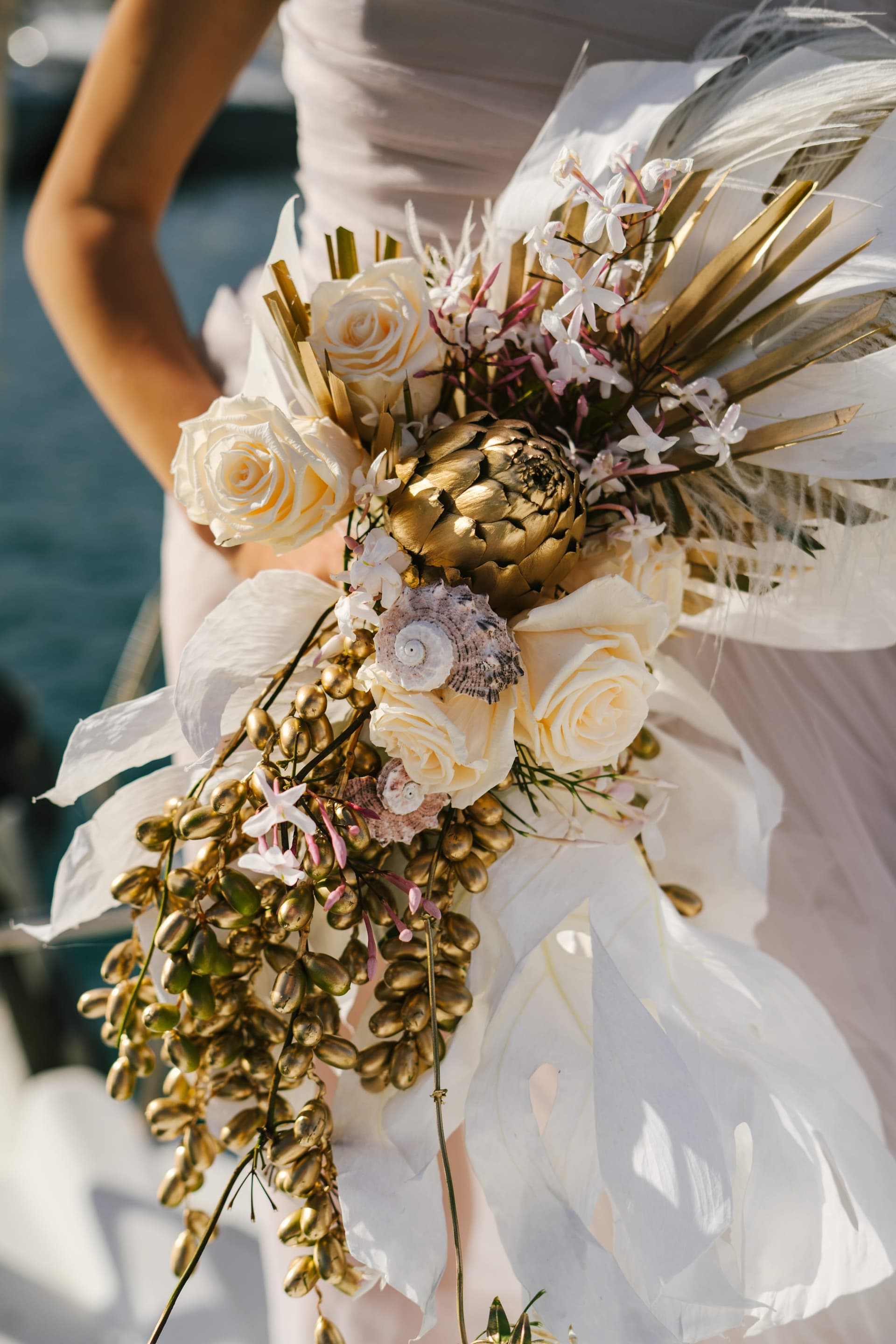
Trockenblumen als Winter-Option. Ein offenes Wort aus der Praxis: Trockenblumen wie Pampasgras, Lagurus und Lunaria sind keine Verlegenheitslösung – sie sind eine bewusste Ästhetik-Entscheidung. Im Winter fügen sie warme Textur und romantisches Volumen hinzu, das frische Blumen allein nicht erzeugen können. Kombiniert mit frischen Anemonen, weißen Ranunkeln und Eukalyptus entsteht ein Look, der zeitlos und gleichzeitig gegenwärtig ist.
Winter-Farbkonzepte
- Tiefes Weiß und Grün – Weiße Anemonen, Christrosen in Creme, Eukalyptus und Wacholderzweige. Winterlich puristisch, von stiller Eleganz. Hochzeitsblumen in Weiß wirken im Winter besonders rein und feierlich.
- Rot und Gold – Amaryllis in Kardinalrot, Ilex-Zweige mit roten Beeren, goldene Trockenelemente als warmer Kontrast. Festlich, leuchtend, voller Kraft. Hochzeitsblumen in Rot erzählen im Winter eine Geschichte von Wärme und Leidenschaft.
- Bordeaux und Silber – Anemonen in dunklem Violett-Bordeaux, Ranunkeln in zartem Creme, silbrig schimmernde Eukalyptus-Zweige. Ein luxuriöses Winter-Statement, das nach Samt und Kerzenlicht aussieht.
Weitere Inspirationen für Brautsträuße in jeder Saison findest du in unseren Brautstrauß Trends 2026.
Hochzeitsblumen auf Mallorca – Wenn der Mittelmeer-Kalender anders tickt
Auf Mallorca gelten andere Regeln – nicht nur bei der Kultur und dem Licht, sondern auch im Blütenkalender. Wer auf der Insel heiratet, sollte wissen, dass der mediterrane Saisonkalender dem deutschen um Wochen voraus ist, manche Blüten exklusiv auf der Insel verfügbar sind und ein Oktober-Hochzeitstermin noch sommerliche 22 bis 25 Grad bedeuten kann. Diese Temperatur beeinflusst die Blumenplanung ebenso wie die Verfügbarkeit – Dahlien sind im Oktober auf Mallorca noch in voller Blüte, während sie in Deutschland bereits ihrem Ende entgegengehen.
Mediterrane Blumen-Highlights
Bougainvillea – das Symbol Mallorcas schlechthin. Ihre leuchtenden Farben – Magenta, Orange, Weiß, zartes Lachs – prägen das Bild jeder mallorquinischen Finca. Doch ein wichtiges Detail: Bougainvillea ist kein klassisches Schnittblumen-Material. Die eigentlichen Blüten sind winzig; was leuchtet, sind die zarten Hochblätter, die schnell abfallen. Als Deko-Element für Tische und Blumenbögen, mit frisch geschnittenen Zweigen kurz vor der Zeremonie arrangiert, ist Bougainvillea jedoch spektakulär – ein Farbakzent, den keine andere Blume erreicht.
Orangenblüten blühen auf Mallorca im April und Mai. Ihr Duft ist betörend, süßlich und von einer Tiefe, die man nicht vergisst – ein unsichtbares Parfum, das jeden Moment veredelt. Für Brautsträuße sparsam eingearbeitet, verbreiten sie eine Sinnlichkeit, die keinen Vergleich kennt. Ein Insider-Detail: Orangenblüten sind frisch und nur in kleinen Mengen verfügbar – keine Massenware, sondern ein erlesenes Luxus-Detail.
Lavendel blüht auf Mallorca bereits im Mai und bis in den Juli – einige Wochen früher als in Deutschland. Das intensiv violette Feld und der ätherische, fast meditative Duft sind Synonyme für mediterranes Lebensgefühl. In der Hochzeitsfloristik ist Lavendel vielseitig einsetzbar: als Füllelement im Brautstrauß, als duftende Tischdeko oder getrocknet in Spätherbst-Arrangements.
Olivenzweige sind ganzjährig verfügbar und auf Mallorca das unvergleichliche Signature-Element jeder Hochzeitsfloristik. Ihre silbrig-grünen Blätter und das knorrige, alte Holz vermitteln Zeitlosigkeit und stille Würde. Als Brautstrauß-Greens oder als Tischläufer inszeniert, vereinen sie rustikale Ehrlichkeit mit mediterraner Eleganz.
Saisonales Blütefenster: Mallorca vs. Deutschland
| Blume | Deutschland | Mallorca |
|---|---|---|
| Lavendel | Juni–August | Mai–Juli |
| Orangenblüte | Nicht verfügbar (Freiland) | April–Mai |
| Bougainvillea | Nicht verfügbar | Mai–Oktober |
| Mimose | Nicht verfügbar | Februar–April |
| Rosmarin (in Blüte) | Juni–August | Ganzjährig |
| Pfingstrose | Mai–Mitte Juni | April–Mai (früher) |
Alles über die Planung deiner Hochzeit auf Mallorca planen – von der besten Jahreszeit bis zur Location – findest du in unserem ausführlichen Guide. Und die schönsten Fincas mit ihren floralen Möglichkeiten habe ich in Finca-Hochzeit auf Mallorca vorgestellt.
Hochzeitsblumen nach Farbe – Das Farbkonzept deiner Hochzeit
Oft beginnt die Blumenwahl nicht mit der Frage "Welche Saison?" sondern mit "Welche Farbe?" Die Farbpalette deiner Hochzeit bestimmt die Atmosphäre, die Stimmung und die gesamte visuelle Sprache des Tages. Hier ist meine Empfehlung für die vier meistgewünschten Farbtöne – mit den saisonalen Blüten, die sie am schönsten verkörpern.
| Farbe | Beste Saison | Empfohlene Blumen | Stimmung |
|---|---|---|---|
| Rosa | Frühling / Sommer | Pfingstrose, Ranunkel, Hortensie, Rose | Zart, romantisch, träumerisch |
| Rot | Sommer / Herbst / Winter | Rose, Dahlie, Amaryllis, Anemone | Sinnlich, leidenschaftlich, intensiv |
| Weiß | Ganzjährig | Hortensie, Rose, Anemone, Christrose, Lisianthus | Rein, zeitlos, elegant |
| Lila / Violett | Frühling / Sommer | Flieder, Iris, Lavendel, Anemone, Lisianthus | Edel, geheimnisvoll, ausdrucksstark |
Hochzeitsblumen in Rosa entfalten im Frühling ihre natürlichste Nuance. Eine blassrosa Pfingstrose, deren Blütenblätter fast durchscheinend wirken, erzeugt eine Zartheit, die kein künstliches Rosa je erreicht. Im Sommer übernehmen Hortensien in Altrosa und Gartenrosen in Apricot-Rosa diese Rolle – wärmer, reifer, voller.
Hochzeitsblumen in Rot brauchen die richtige Blüte, um nicht banal zu wirken. Die kardinalrote Amaryllis im Winter hat eine samtige Tiefe, die unter Kerzenlicht schimmert. Die Dahlie in Bordeaux im Herbst verströmt Würde und Ernsthaftigkeit. Und eine tiefrote Rose im Sommer – wenn man an ihr riecht, versteht man, warum sie seit Jahrhunderten Symbol der Leidenschaft ist.
Hochzeitsblumen in Weiß sind die vielseitigsten – von der winterlichen Christrose, die sich leicht nach unten neigt, über die seidig schimmernde Anemone bis hin zur voluminösen weißen Hortensie im Sommer. Weiß ist nie langweilig, wenn die Texturen variieren.
Hochzeitsblumen in Lila wirken im Frühling am eindrucksvollsten: Iris mit ihren dramatischen, fast skulpturalen Blütenblättern, Flieder mit seinem betörenden Duft, Lavendel mit seinem ätherischen Aroma. Im Herbst übernehmen Scabiosen und dunkle Anemonen in Violett-Bordeaux.
Floristinnen-Insider-Tipps: Was wirklich funktioniert (und was nicht)
Nach hunderten Hochzeiten – in Berliner Lofts, historischen Kirchen und auf mallorquinischen Fincas – habe ich gesehen, was funktioniert. Und was nicht. Diese Tipps gebe ich normalerweise erst im persönlichen Beratungsgespräch weiter. Hier teile ich sie vorab.
Tipp 1: Die 3-5-8-Regel
In der professionellen Floristik arbeiten wir mit der 3-5-8-Regel: 3 Hauptblüten (die sogenannten Focal Flowers – deine Stars, die den Blick fangen), 5 grüne Stiele als Texturgeber (Eukalyptus, Olivenzweige, Farne) und 8 Füllelemente (Schleierkraut, kleine Knospen, Gräser, Strukturzweige). Diese Regel gilt saisonunabhängig und erklärt, warum professionell gestaltete Arrangements immer harmonisch und voll wirken, ohne überladen zu sein. Die Balance zwischen Hauptakteur und Begleitung ist der Schlüssel.
Tipp 2: Haltbarkeit bei Hitze
Nicht jede Blüte übersteht einen warmen Hochzeitstag:
- Hitzebeständig: Hortensien (wenn overnight konditioniert), Rosen (im Knospenstadium aufgebunden), Dahlien, Lisianthus, Eukalyptus
- Hitzeempfindlich: Maiglöckchen, Flieder, Cosmea – verwelken bei Temperaturen über 22 Grad schnell
Mein wichtigster Praxis-Tipp: Alle Blumen am Vorabend der Hochzeit in kühlem Wasser konditionieren und bis zur Zeremonie in einem Kühlraum oder klimatisierten Raum lagern. Bei Sommer-Hochzeiten auf Mallorca plane ich grundsätzlich mit einem Temperaturpuffer: Was bei 25 Grad sechs Stunden hält, kann bei 32 Grad bereits nach vier Stunden welken.
Tipp 3: Zeitlose Kombinationen für jede Saison
- Frühlings-Signature: Pfingstrose + Ranunkel + Maiglöckchen (nur Mai – kurz, aber unvergesslich)
- Sommer-Statement: Dahlie + Cosmea + Pampasgras (wild, üppig, fotogen)
- Herbst-Klassiker: Dahlien in Bordeaux + Hagebutte + Eukalyptus (warm, strukturiert, sinnlich)
- Winter-Eleganz: Amaryllis + Anemone + Wacholder + Eukalyptus (dramatisch und still zugleich)
- Ganzjahres-Favorit: Rose + Hortensie + Eukalyptus (funktioniert in jeder Farbe, jeder Saison)
Tipp 4: Was du deiner Floristin fragen solltest
Vier Fragen, die den Unterschied machen:
- "Welche Blumen haben gerade wirklich Saison?" – Nicht nur, was geliefert werden kann, sondern was gerade in voller, natürlicher Blüte steht.
- "Wie weit vorne soll der Strauß aufgebunden werden – Knospe oder voll erblüht?" – Eine Knospe hält länger, eine volle Blüte wirkt sofort opulent.
- "Welche Blumen halten bei unserer Raumtemperatur am Tag der Hochzeit sicher acht Stunden?" – Die ehrlichste Frage, die du stellen kannst.
- "Gibt es eine saisonale Alternative zu meiner Wunschblume?" – Oft gibt es eine Blüte, die genauso schön ist, aber gerade in ihrer natürlichen Hochform steht.
Häufige Fragen zu Hochzeitsblumen
Was sind typische Hochzeitsblumen?
Typische Hochzeitsblumen sind Rosen (ganzjährig verfügbar), Pfingstrosen (Frühling bis Frühsommer), Hortensien (Sommer), Dahlien (Spätsommer und Herbst) sowie Amaryllis (Winter). Die Auswahl hängt von der Saison ab – denn jede Jahreszeit bringt ihre eigenen Blütenstars hervor. Eine statische "Top 5"-Liste greift zu kurz, weil die schönsten Hochzeitsblumen immer die sind, die gerade in ihrer natürlichen Blüte stehen.
Welche Blumen blühen im September für Hochzeiten?
Im September stehen Dahlien in ihrer vollen Farbtiefe, Chrysanthemen beginnen zu blühen, Herbst-Anemonen entfalten ihre zarten weißen und rosa Köpfe, und Cosmea bringt leichten Wildblumen-Charme. Dazu sind Rosen weiterhin in Hochsaison. Der September ist ein Monat des Übergangs – und genau das macht ihn für Hochzeitsblumen so reich und vielseitig.
Welche Hochzeitsblumen gibt es im Winter?
Die Auswahl ist größer als oft vermutet: Amaryllis mit ihrer dramatischen Glockenform, Christrosen in stiller Schönheit, Anemonen in Weiß und Bordeaux, Ranunkeln in winterlichen Tönen, dazu Eukalyptus und Wacholder als grüne Begleiter. Auch Trockenblumen wie Pampasgras und Lunaria sind im Winter eine bewusste, ästhetisch reizvolle Entscheidung.
Sind saisonale Hochzeitsblumen besser?
Ja – aus mehreren Gründen. Saisonale Blumen sind frischer, weil sie ohne lange Transportwege auskommen. Sie halten länger, weil sie keinen Kühlketten-Stress hinter sich haben. Ihr Duft ist intensiver, ihre Farben strahlender, und ihr CO2-Fußabdruck deutlich geringer. Wer saisonal wählt, trifft eine Entscheidung für Qualität und Stimmigkeit.
Welche Hochzeitsblumen halten bei Hitze?
Hortensien (wenn am Vorabend konditioniert), Rosen im Knospenstadium, Dahlien, Lisianthus und Eukalyptus – diese Blüten überstehen auch wärmere Temperaturen, wenn sie professionell vorbereitet werden. Empfindlich sind dagegen Maiglöckchen, Flieder und Cosmea. Der wichtigste Faktor ist die Konditionierung am Vorabend.
Welche Blumen eignen sich für eine Mallorca-Hochzeit?
Mediterrane Highlights wie Bougainvillea, Olivenzweige, Lavendel und Orangenblüten verleihen einer Mallorca-Hochzeit ihre besondere Atmosphäre. Dazu kommen alle klassischen Sommer- und Herbstblumen, die auf der Insel oft früher und länger blühen als in Deutschland. Ein Oktober-Termin auf Mallorca bedeutet noch sommerliche Temperaturen – und eine Blumenauswahl, die dem deutschen August entspricht.
Fazit
Die richtigen Hochzeitsblumen zur richtigen Jahreszeit zu wählen, ist kein Kompromiss – es ist die klügste und sinnlichste Entscheidung, die du in der Hochzeitsfloristik treffen kannst. Saisonal bedeutet: frischer Duft statt Kühlketten-Müdigkeit, strahlende Farben statt transportgestresster Blässe, natürliche Haltbarkeit statt künstlicher Frischhalte-Tricks.
Jede Jahreszeit trägt ihre eigene Schönheit: die Zartheit der Frühlingspfingstrosen, die Üppigkeit der Sommerhortensien, die Tiefe der Herbstdahlien, die stille Dramatik der Winteramaryllis. Und auf Mallorca tickt der Kalender noch einmal anders – mit Orangenblüten, Bougainvillea und Olivenzweigen, die es in keinem deutschen Garten gibt.
Dieser Saisonkalender soll dir als Kompass dienen. Doch am Ende ist die schönste Blume für deine Hochzeit immer die, die in genau deinem Moment blüht – die Blume, die deine Geschichte erzählt und deinen Tag unvergesslich macht.
HochzeitsblumenSaisonkalenderPfingstrosenHortensienDahlienAmaryllisMallorcaHochzeitsfloristik